
Adding a sunroom to your home is an exciting upgrade that enhances your lifestyle and property value. But before the foundation is poured or the first window is installed, there is one crucial aspect every homeowner in the Twin Cities must address: permits and regulations. Ignoring or mishandling these requirements can result in project delays, costly fines, or even the need to tear down unauthorized structures.
Understanding the local permitting process and zoning laws is not just a formality; it’s a foundational part of responsible home improvement. This article will guide you through everything you need to know about sunroom permits in the Twin Cities area, including specific building requirements, timelines, and how a knowledgeable contractor like 3 Season Solutions can make the process seamless.
Common permitting requirements in the Twin Cities
Building permits
In both Minneapolis and St. Paul, nearly all structural additions to your home require a building permit, including sunrooms. These permits ensure the construction complies with local codes, which are in place to guarantee safety and proper building practices.
When you apply, you’ll need to submit detailed plans including drawings, elevations, and structural information. These documents are reviewed by city officials who determine if your proposed sunroom meets code.
Zoning compliance
Zoning laws dictate how close you can build to property lines, what your structure can be used for, and how large it can be. For example, detached sunrooms or those classified as accessory structures must conform to specific rules that vary by neighborhood or zoning designation.
Failure to comply with zoning laws can delay your project or result in a denial of your permit application. Be sure to verify:
- The maximum allowed lot coverage
- Setbacks from side and rear property lines
- Height restrictions
- Whether your property is in a special overlay district (historic, floodplain, etc.)
Property Line Setbacks and HOA Approvals
Setbacks refer to the required distance between your sunroom and the property lines. These vary by municipality, and sometimes even by lot size or property type. Homeowners associations (HOAs) may also impose additional rules on top of city requirements, such as style or color restrictions.
Before you finalize your plans, confirm any HOA requirements and get written approval. Many cities won’t approve permits without proof of HOA sign-off if applicable.
Codes and Structural Requirements
Brandon homeowners must account for local codes and climate when planning their sunroom. These are often the biggest contributors to timeline variation.
Snow Load Ratings and Frost Footings in Minnesota
Minnesota’s cold climate makes it essential to design a sunroom that can withstand heavy snow and frost. Your sunroom must be engineered with:
- Roofs that meet minimum snow load ratings (often between 35-50 lbs/sq ft)
- Frost-protected footings extending below the frost line (typically 42 inches in the Twin Cities)
These structural components are non-negotiable, ensuring your sunroom remains safe and functional year-round.
Energy Code Requirements for Insulated Walls and Roofing
If you plan to heat your sunroom or use it during winter months, it may fall under Minnesota’s residential energy code. This means the structure will need to meet minimum standards for insulation (R-values), window efficiency (U-factors), and air sealing.
In short:
- Walls may require R-13 to R-21 insulation
- Roofs typically require R-38
- Windows must meet Energy Star ratings
Work with an experienced contractor who can help specify the correct materials for energy compli
Working with Local Inspectors
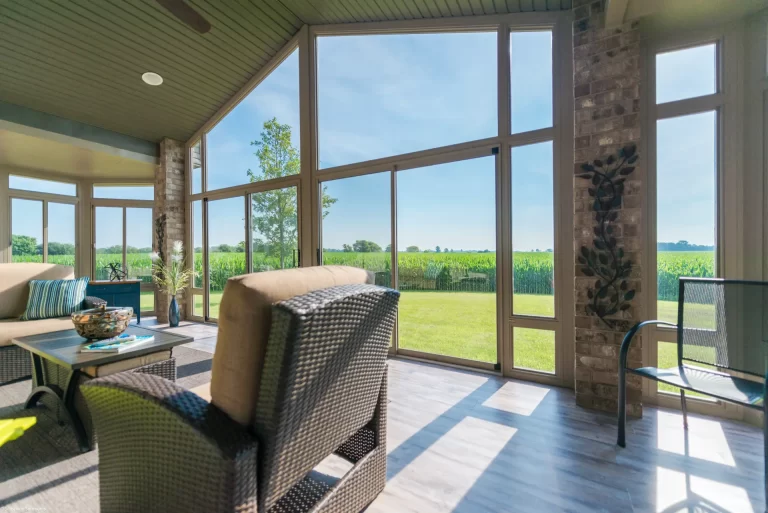
Different types of Sunspace sunrooms and enclosures come with varying levels of installation complexity. Here’s how they compare.
Timeline for Inspections
Once your permit is approved and construction begins, city inspectors will need to conduct a series of checks:
- Footing inspection (before pouring concrete)
- Framing inspection
- Insulation and energy code compliance inspection
- Final approval
Each phase must pass before moving to the next. Scheduling inspections promptly and addressing any flagged issues will help avoid delays.
Final Approval Process
The city issues a Certificate of Occupancy or final sign-off once all inspections are complete and the structure complies with building codes. This is your proof that the sunroom was built legally and safely
Documentation to Keep for Future Property Sales
When it comes time to sell your home, having your sunroom properly permitted and approved will make a significant difference. Potential buyers and real estate agents often ask for:
- The final approved permit
- Inspection reports
- Design plans
Keeping a digital and printed copy of this documentation is highly recommended.
How Permits Impact Project Timelines
Realistic Expectations for Project Duration
Permitting in the Twin Cities can take anywhere from two weeks to several months, depending on complexity and city workload. Winter months may be slower due to staffing and holidays.
Here’s a general timeline:
- 1–2 weeks: Design and planning
- 2–4 weeks: Permit application and approval
- 4–8 weeks: Construction and inspections
Coordination with Contractors and Municipalities
Experienced sunroom contractors like 3 Season Solutions understand how to coordinate effectively with city offices. They will submit accurate plans, schedule inspections efficiently, and minimize downtime between construction phases.
Why 3 Season Solutions Are the best in Minnesota
For many homeowners in Minnesota, a 3-season sunroom offers the perfect balance of comfort, affordability, and seasonal enjoyment. With insulated panels, customizable WeatherMaster™ windows, and the ability to block wind and rain while inviting in natural light, these rooms extend the use of your outdoor space from early spring through late fall. They’re ideal for entertaining, relaxing, or simply enjoying the view without the hassle of bugs or unpredictable Prairie weather. Plus, they install faster than insulated rooms and are more budget-friendly, making them a top choice.
Emphasis on Their Deep Knowledge of Twin Cities’ Municipal Building Codes
3 Season Solutions has extensive experience building custom sunrooms that meet or exceed Minnesota’s strict codes. Their local knowledge ensures your project is designed and approved faster, avoiding the learning curve that less familiar contractors face.
Realistic Expectations for Project Duration
Partnering with 3 Season Solutions means you get:
- Permits filed accurately and quickly
- All required inspections scheduled and passed
- A finished sunroom that’s built to code, energy efficient, and ready to enjoy
Avoid unnecessary stress and delays: work with a professional who knows how to navigate the Twin Cities permitting landscape.
Realistic Expectations for Project Duration
Experienced sunroom contractors like 3 Season Solutions understand how to coordinate effectively with city offices. They will submit accurate plans, schedule inspections efficiently, and minimize downtime between construction phases.
The result? A smoother, faster, and less stressful project for you.

